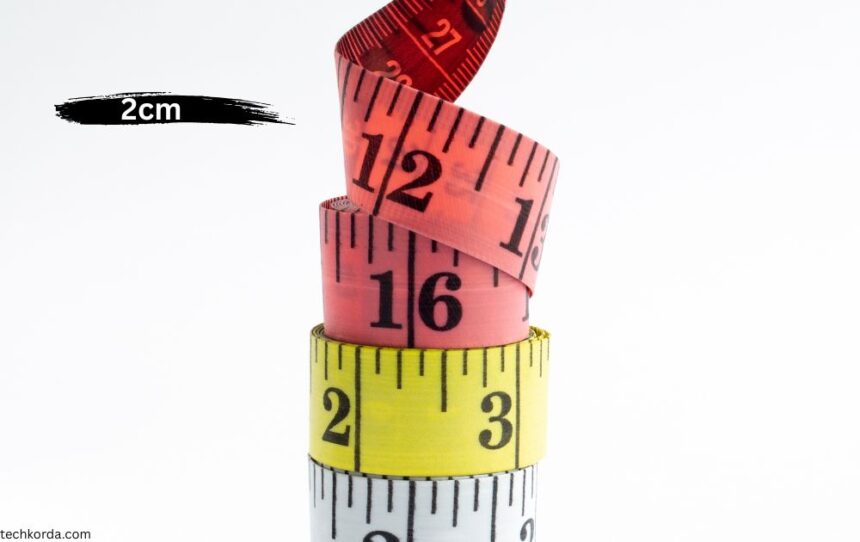
A Small Measurement With a Big Presence
There is something quietly comforting about a number as modest as 2cm. It rarely demands attention, yet it appears constantly in the background of daily life, tucked into recipes, craft instructions, and casual conversations about size.Understanding it does not require any special skill, only a little curiosity and a willingness to notice the small things.This article gently walks through what 2cm truly means, how it compares to millimeters, and where it quietly shows up in the world around us.
What Does 2cm Actually Mean
A centimeter is one of the most familiar units in the metric system, and 2cm simply means two of those units placed side by side. It sits comfortably between the very small and the noticeably visible, easy to see but easy to underestimate. Most rulers display it clearly within the first few marks, making it one of the first measurements people learn to recognize by sight. Its simplicity is part of its charm.
Converting 2cm to Millimeters
When people ask how to convert 2cm to mm, the answer is refreshingly simple 2cm equals 20mm. Since every centimeter contains ten millimeters, multiplying by ten instantly reveals the millimeter value. This small calculation becomes useful in situations requiring extra precision, such as measuring jewelry, electronics, or medical instruments. Once understood, the 2cm to mm relationship becomes second nature, almost like a small mental shortcut carried quietly into everyday tasks.
Why the Metric System Feels So Natural
Part of what makes 2cm easy to understand is the elegant structure of the metric system itself. Built entirely around multiples of ten, it removes the guesswork found in more irregular systems of measurement. This consistency means that once someone understands the relationship between centimeters and millimeters, they can apply the same logic to meters, kilometers, and beyond. It is a quiet kind of harmony, hidden inside something as ordinary as a ruler.
Picturing 2cm Through Familiar Objects
Asking 2cm is how big often leads people back to familiar, everyday objects. It resembles the width of a standard paperclip laid flat on a table, or the diameter of a large shirt button. Some picture a shelled peanut, others imagine the thickness of a small stack of coins. These comparisons matter because they translate an abstract number into something tangible, something the mind can hold onto without needing a ruler nearby.
2cm and the Width of a Fingernail
One of the gentlest ways to picture 2cm is to look down at your own hand. The width of an average adult thumbnail sits remarkably close to this measurement, offering a built-in reference that travels with you everywhere. This small detail turns an abstract unit into something personal and immediate. It also explains why many people instinctively use their fingernail as a rough measuring tool in casual, everyday situations.
2cm in the World of Jewelry
Jewelry designers rely on measurements like 2cm constantly, since even the smallest shift in size can change how a piece feels when worn. A pendant slightly larger or smaller than 2cm can shift from delicate to bold in an instant. Earrings, charms, and clasps are often designed around this exact scale, balancing visibility with comfort. In this quiet craft, precision becomes a form of care, shaping how a piece rests gently against the skin.
2cm in Cooking and Kitchen Measurements
In the kitchen, 2cm often appears in instructions asking cooks to slice vegetables, dough, or meat into even pieces. This consistency ensures that food cooks evenly, avoiding the frustration of unevenly done ingredients. Bakers especially rely on measurements like this when shaping dough or spacing cookies on a tray. Though it may seem like a small detail, this kind of precision quietly shapes the final texture and presentation of a dish.
2cm in Gardening and Seed Spacing
Gardeners frequently use small measurements like 2cm when planting seeds that require precise spacing to grow properly. Too close together, and seedlings compete for light and nutrients; too far apart, and space goes to waste. This careful attention reflects a deeper patience found in gardening, where small decisions made early on quietly determine the health and shape of what eventually grows. It is measurement in service of life, not just accuracy.
2cm in Medicine and Everyday Health
In medical settings, 2cm is often used to describe the size of a small mole, bruise, or area of concern in a way that feels clear rather than alarming. Doctors use this scale to track changes over time, offering patients a grounded sense of what is being observed. This gentle use of measurement helps translate clinical language into something more understandable, turning uncertainty into a manageable, describable detail during moments that can otherwise feel overwhelming.
2cm in Sewing, Fabric, and Craft Work
Anyone who has sewn a hem or trimmed fabric understands how much a measurement like 2cm can matter. Seam allowances, button spacing, and fabric trims often rely on this exact size to ensure garments fit properly. A difference of even a few millimeters can change how a piece drapes or fastens. In this slow, tactile craft, 2cm becomes less a number and more a quiet rule of thumb passed down through practice.
2cm in Home Improvement and DIY Projects
Around the house, 2cm frequently appears in small but important adjustments, such as spacing shelf brackets or trimming molding to fit a corner. These seemingly minor measurements often determine whether a finished project looks polished or slightly off. DIY enthusiasts quickly learn that ignoring small units like this can lead to noticeable mistakes later. In this way, 2cm becomes a quiet safeguard against a project unraveling over something so small.
2cm in Electronics and Small Components
Modern electronics often depend on measurements as small as 2cm, especially when designing compact devices meant to fit comfortably in a hand or pocket. Chips, connectors, and internal spacing frequently sit near this scale, balancing function with a device’s overall size. Engineers must account for even the smallest deviations, since a shift of just a few millimeters can affect how components fit together. Precision here quietly shapes convenience.
2cm in the Natural World
Nature offers many quiet examples of 2cm, from the length of certain insects to the size of small seashells found along the shore. Some flower petals stretch close to this size, as do the smallest eggs laid by certain birds. These natural comparisons remind us that small measurements are not simply human inventions, but patterns already present in the world, waiting patiently to be noticed and appreciated.
2cm and a Child’s Growth
Parents often become quietly familiar with small measurements like 2cm while tracking a child’s growth over time. A few centimeters gained in height or a small shift in shoe size can feel surprisingly significant, marking the slow passage of time in a tangible way. These small numbers, recorded gently on growth charts or doorframes, become meaningful not because of their size, but because of what they represent.
2cm in Art, Design, and Layout
Designers and artists frequently work with measurements like 2cm when spacing elements on a page or canvas. Margins, borders, and small gaps often rely on this scale to create balance without overwhelming the eye. A shift of just a centimeter can change how crowded or spacious a layout feels. This quiet attention to spacing reflects a broader truth in design, where small choices shape how something is ultimately perceived.
Comparing 2cm to Other Small Units
Understanding 2cm becomes easier when placed beside other familiar units of measurement. While 2cm equals 20mm, it also represents roughly 0.02 meters, a fraction easily overlooked yet still meaningful. Comparing it to inches offers another gentle reference point, since 2cm sits just under one inch. These comparisons help build a fuller, more intuitive sense of scale, especially for those more accustomed to one measurement system over another.
Everyday Tools for Measuring 2cm
Measuring something as small as 2cm rarely requires specialized equipment. A standard ruler, tape measure, or even a smartphone app can capture this size with reasonable accuracy. Calipers offer additional precision for tasks like jewelry making or small engineering projects. The accessibility of these tools reflects how ordinary this measurement truly is, easily handled by anyone willing to take a moment to measure carefully.
A Brief History of Small Measurements
Small units like the centimeter emerged from a broader effort to standardize measurement across regions and industries. Before such systems existed, measurements often varied from place to place, leading to confusion and inconsistency. The introduction of the metric system brought a shared, logical structure to something as simple as length. Today, 2cm carries with it a quiet history of collaboration and agreement, hidden behind its simplicity.
Why Small Numbers Can Feel Comforting
There is a gentle psychological comfort in numbers like 2cm, precisely because they feel manageable and easy to grasp. Unlike larger measurements that can feel abstract, small units connect directly to lived experience, things we can hold, touch, or compare to our own hands. This sense of familiarity brings a quiet reassurance, especially in contexts like health or craftsmanship, where precision matters but overwhelming complexity does not.
2cm and the Human Body
Beyond the fingernail, other parts of the human body offer familiar comparisons to 2cm, such as the width of a fingertip or the thickness of an earlobe. These personal reference points make measurement feel less clinical and more intuitive. Because everyone carries these built-in comparisons with them, 2cm becomes a measurement that feels less like an external number and more like something quietly understood through the body itself.
2cm in Packaging and Product Design
Product designers often rely on measurements like 2cm when determining how items fit within boxes, containers, or protective padding. Small adjustments at this scale can affect shipping costs, shelf space, and even how a product feels in someone’s hands. This careful balancing act shows how something as small as 2cm can influence decisions across an entire supply chain, quietly shaping choices long before a product reaches its final destination.
2cm in Sports Equipment and Fitness
In sports, small measurements like 2cm can influence equipment design and performance. Grip thickness on a racket, sole height on a shoe, or spacing on protective gear may all be adjusted within this range. Athletes often notice these subtle differences more than casual users might expect. This attentiveness reflects how even a small measurement can meaningfully affect comfort, safety, and performance during physical activity.
Interesting Facts About 2cm
A few gentle facts help bring 2cm to life beyond its numerical value, connecting it to small, familiar things found in everyday surroundings.
- Close to the average diameter of a large grape
- Roughly the thickness of a stack of eight credit cards
- The length many small beetles grow to
- Just under one inch when converted
Why Precision Still Matters at Small Scales
Even at a size as modest as 2cm, precision continues to matter in fields ranging from medicine to engineering. Small inaccuracies can accumulate, leading to larger errors in finished products or assessments. This is why professionals across many industries continue to value careful measurement, no matter how small the unit involved. Precision, even in small doses, quietly protects the integrity of much larger outcomes.
2cm Converted to Inches and Other Units
For those more familiar with imperial measurements, 2cm converts to approximately 0.79 inches, just shy of a full inch. This conversion becomes especially useful when comparing international products or following instructions written in a different measurement system. Knowing both the metric and imperial equivalents allows for smoother communication across borders, recipes, and product specifications, bridging two systems that otherwise rarely overlap.
Final Thoughts The Quiet Value of 2cm
In the end, a measurement like 2cm reminds us that significance does not depend on size. Whether used in medicine, craftsmanship, gardening, or casual conversation, this small unit quietly supports countless decisions made every day. Learning to picture and understand it, from its simple conversion to millimeters to its many everyday comparisons, offers a small but meaningful form of clarity in how we describe and navigate the world around us.