A Color That Feels Like Home
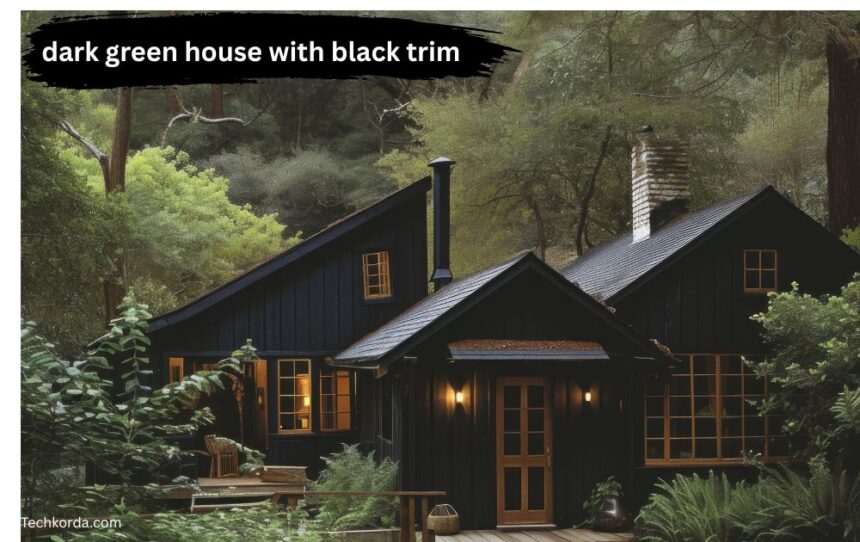
Few exterior color choices feel as settled and unhurried as a dark green house with black trim. It doesn’t compete with its surroundings or beg for attention from passing cars. Instead, it offers a kind of visual exhale, a home that seems to have always belonged exactly where it stands. That sense of ease is part of why the style keeps returning to popularity, generation after generation.
The Emotional Pull of Deep Green
Green carries an emotional weight that few other exterior colors can match. It is associated with renewal, stability, and calm, qualities most people want their home to reflect back at them. A deep, muted green in particular avoids feeling playful or fleeting, leaning instead toward something steady and reassuring. Walking up to a home in this shade often feels like arriving somewhere quiet and unhurried.
Why Black Trim Works So Well
Black trim gives a dark green exterior the definition it needs to read clearly rather than blur into shadow. Along rooflines, window frames, and doorways, black creates a crisp visual edge that keeps the architecture legible from a distance. Without that contrast, a deep green home can feel soft or unfinished. With it, every line of the structure becomes intentional and easy to follow.
Roots in the Natural World
Part of the appeal of dark green houses with black trim comes from how naturally they sit within a landscape. Pine trees, moss, ivy, and shaded hillsides all carry similar tones, so a home painted this way rarely looks out of place. Rather than standing apart from its surroundings, it seems to grow out of them, blurring the line between built structure and natural setting.
A Style That Suits Every Season
One of the quiet advantages of this color pairing is how well it performs across the calendar year. Many exterior colors look wonderful in one season and slightly wrong in another, but deep green with black trim tends to hold its character no matter the weather. That consistency is part of what makes it feel less like a passing trend and more like a lasting decision.
Spring and the Softening Green
When spring arrives and gardens begin to fill in, a dark green house settles gently into the surrounding foliage. New leaves, budding shrubs, and fresh grass all share a kinship with the home’s color, softening its edges and making it feel like an extension of the yard itself. The black trim still holds its shape, keeping the house from disappearing entirely into the greenery.
Summer’s Rich Backdrop
By midsummer, when landscaping is at its fullest, a dark green house with black trim becomes a rich, grounded backdrop for everything happening around it. Bright flowers, outdoor furniture, and sunlit lawns stand out beautifully against the deep tone of the siding. Rather than fighting for attention, the house quietly supports the liveliness of the season unfolding on its porch and in its garden.
Autumn’s Quiet Harmony
As leaves turn gold, orange, and red, the deep green of the house offers a steady visual anchor. Instead of clashing with the warm colors of the season, it provides contrast that makes the surrounding foliage feel even more vivid. Black trim continues to frame the home cleanly, ensuring it still reads as tidy and considered even as everything around it grows a little wilder.
Winter’s Steady Presence
Winter tends to strip color from most landscapes, leaving bare branches and gray skies behind. This is often when a dark green house with black trim shows its greatest strength, holding onto warmth and depth when little else does. Against snow or overcast light, the combination feels grounded rather than stark, offering a small but genuine sense of comfort through the colder months.
Choosing the Right Shade of Green
Three things matter most when narrowing down a shade:
- Avoid anything too bright or neon-like
- Skip shades so muted they vanish by evening
- Choose a deep, forest-inspired tone with enough richness to stand up to black trim
Testing Paint in Natural Light
Paint samples rarely look the same on a small chip as they do across an entire exterior wall. Light shifts throughout the day, and a green that looks perfect at noon may feel flat or overly dark by evening. Taking the time to view sample patches in morning, afternoon, and evening light helps avoid surprises once the full house has already been painted.
The Role of Siding Material
The material beneath the paint shapes the outcome as much as the color itself
- Texture and grain catch light unevenly
- Surface finish affects how saturated the green appears
- The same shade can look different depending on what it’s applied to
Wood Siding and Its Warmth
Wood siding tends to soften dark green, giving it a slightly weathered, organic quality that feels closer to nature. The subtle variation in grain catches light unevenly, which keeps the color from feeling flat or artificial. Paired with black trim, wood siding often produces a look that feels handcrafted and lived-in, well suited to cottages, cabins, and traditional family homes.
Stucco and Fiber Cement Finishes
Smoother materials like stucco or fiber cement tend to sharpen the appearance of dark green, making the color feel more modern and precise. Because these surfaces reflect light more evenly, the green often reads as slightly richer and more saturated than it would on wood. Black trim against these materials tends to look especially crisp, reinforcing clean lines and contemporary architectural details.
Brick Homes with Green Accents
For homes built with brick, dark green often appears in smaller doses rather than across the entire exterior. Shutters, doors, and trim painted in deep green can complement red or brown brick beautifully, echoing natural surroundings without overwhelming the masonry. Black accents alongside this pairing help tie everything together, creating a cohesive look even when multiple materials are involved.
The Power of a Black Front Door
A black front door often becomes the quiet centerpiece of a dark green exterior, drawing the eye without shouting for attention. It offers a natural focal point for guests approaching the home, signaling warmth and intention before anyone even steps inside. This small design choice carries surprising weight, often becoming the detail people remember most after visiting.
Window Frames and Definition
Painting window frames black adds structure to the entire facade, breaking up large sections of green with clean, deliberate lines. This detail helps the eye organize the house visually, distinguishing openings from solid wall space at a glance. Even modest homes can feel more architecturally interesting once their windows are outlined this way against a deep green backdrop.
Roofing Choices That Complement
Roof color quietly reinforces the palette below: charcoal, slate, and black shingles all echo the trim, keep the facade unified, and avoid clashing with a deep green exterior.
Garage Doors and Curb Appeal
Garage doors often take up a significant portion of a home’s front-facing exterior, making their color choice more important than many homeowners realize. A black garage door against dark green siding continues the trim pattern established elsewhere on the house, preventing the garage from feeling like an afterthought. The result is a facade that feels planned rather than patched together.
Landscaping That Enhances the Look
Thoughtful landscaping can make a dark green house feel even more intentional and complete. Lighter-colored flowers, pale gravel paths, and contrasting greenery help the deep tone of the siding stand out rather than blend away entirely. Even simple additions, like white porch furniture or light stone edging, can sharpen the visual impact of the home’s exterior color scheme.
Lighting Fixtures After Dark
Exterior lighting deserves careful thought on a home this color, since dark siding absorbs more light than pale tones do. Black lantern-style fixtures tend to disappear neatly into the trim during the day while still casting a warm glow after sunset. Well-placed lighting near the entry keeps a dark green house from feeling too shadowed once evening settles in.
Porch Details and Furniture
A porch offers a natural opportunity to soften the deep tones of the exterior with lighter textiles and furniture. Cream cushions, natural wood accents, or woven textures create a gentle contrast against green siding and black trim. These small, changeable details allow homeowners to personalize the space without altering the more permanent color choices made on the exterior itself.
Small Homes vs Large Homes
Dark green with black trim tends to flatter homes of nearly any size, though the effect shifts slightly with scale. On smaller cottages, the color creates a cozy, tucked-away feeling reminiscent of storybook homes. On larger houses, the same palette can lend a sense of quiet grandeur, giving expansive facades a grounded, dignified presence rather than an overwhelming one.
Traditional Architecture Styles
Colonial, Victorian, and other traditional architectural styles often carry ornate trim details that benefit from strong color contrast. Black trim against dark green highlights crown molding, shutters, and decorative elements without overwhelming them. This pairing respects the craftsmanship of older homes, allowing intricate features to remain visible rather than fading into a single, uniform color field.
Modern and Minimalist Interpretations
Contemporary homes with clean lines and simple geometry also suit this color combination surprisingly well. Flat black trim against a deep, matte green creates a striking, understated look that feels intentional rather than decorative. In minimalist architecture, the pairing often replaces ornamentation entirely, letting color and shadow do the work that detailed trim might otherwise provide.
Farmhouse and Craftsman Charm
Farmhouse and craftsman-style homes lean naturally into earthy, grounded palettes, making dark green an especially fitting choice. Wide porches, exposed beams, and natural stone accents all pair comfortably with deep green siding and black trim. The overall effect often feels welcoming and unpretentious, echoing the practical, handcrafted spirit these architectural styles were originally built around.
Regional Popularity Across Climates
This color combination tends to perform well across a wide range of climates and regions, from wooded mountain towns to coastal neighborhoods. In greener, forested areas, the home blends naturally into its surroundings. In drier or more urban settings, the same palette stands out as a refreshing departure from beige and gray, offering a quiet sense of individuality.
Avoiding Common Color Mistakes
A few missteps show up again and again:
- Choosing a green so dark it erases the contrast with the trim
- Pairing a warm-toned green with cool-toned black
- Skipping a light test before painting the whole house
Paint Sheen and Finish
The finish of the paint affects how dark green reads just as much as the shade itself. A flat or matte finish tends to soften the color, giving it a more traditional, understated appearance. Satin or semi-gloss finishes reflect more light, making the green appear slightly brighter and the black trim feel sharper and more defined by comparison.
Long-Term Value and Resale Appeal
Because dark green with black trim avoids trend-driven extremes, it tends to hold its appeal well over time, which matters for resale value. Buyers touring homes are often drawn to colors that feel established rather than experimental. A well-maintained exterior in this palette signals care and permanence, qualities that tend to translate into genuine buyer confidence.
A Sense of Privacy and Retreat
There is a certain hush that surrounds dark green houses with black trim, an impression of privacy without unfriendliness. The color doesn’t broadcast itself to the street the way brighter tones might, allowing the home to feel like a personal retreat. Even in busy neighborhoods, this quality gives residents a small, steady sense of separation from the world outside.
Neighborhoods and Streetscape Harmony
On streets filled with white, gray, and beige homes, a dark green house often stands out without ever feeling disruptive. It adds variety to the streetscape while still respecting the overall harmony of the neighborhood. Rather than clashing with nearby homes, it tends to be remembered fondly, the kind of house neighbors point out warmly when giving directions.
Final Thoughts on Timeless Design
A dark green house with black trim is, in the end, a quiet statement about patience and restraint. It favors depth over spectacle and trusts that good design doesn’t need to shout to be remembered. Whether standing alone on a quiet lane or among a row of similarly dressed neighbors, this pairing continues to offer a calm, grounded kind of beauty that rarely goes out of style.