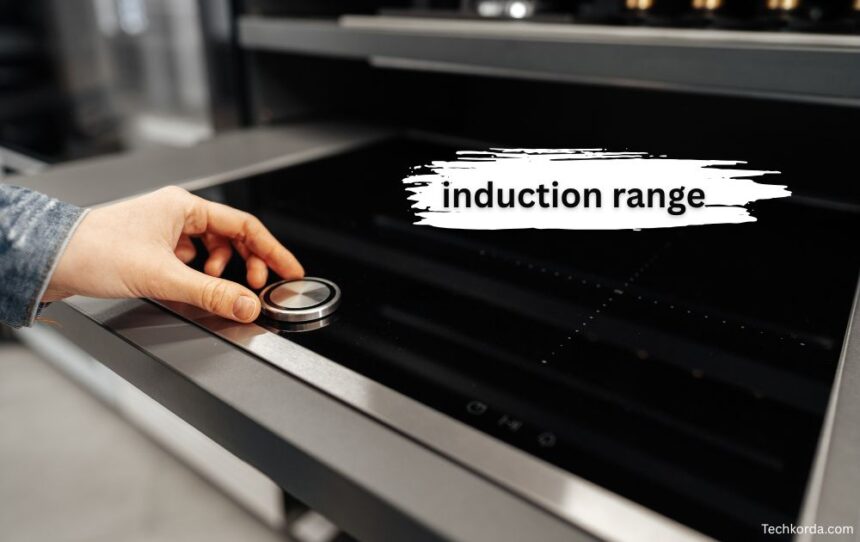
What Is an Induction Range?
An induction range is a modern cooking appliance that uses electromagnetic energy rather than an open flame or a traditional heating element to warm your cookware. Instead of heating the surface first, it transfers energy directly into the pan itself, which means the cooktop around your pot stays remarkably cool to the touch. For many households, this single detail changes the entire feel of cooking, turning what once felt hazardous into something calm and manageable.
How Induction Cooking Actually Works
Beneath the smooth glass surface of an induction range sits a coil of copper wire that generates a magnetic field the moment you switch it on. When compatible cookware is placed above that coil, the field passes through the metal and creates heat within the pan itself, skipping the cooktop entirely. This makes the process feel almost instantaneous, with water reaching a boil in a fraction of the time older stoves would need.
The Growing Popularity of Induction Ranges
Over the past several years, more families have replaced their old gas and electric stoves with induction models, drawn in by the promise of speed, safety, and simplicity. What was once considered a specialty appliance found mostly in professional kitchens has slowly become approachable for everyday homes. It is a trend built less on novelty and more on genuine, lived comfort.
Unmatched Speed in the Kitchen
One of the first things people notice after switching to an induction range is how quickly it responds compared to what they are used to. A pot of water that once took several minutes to boil can now reach that point in nearly half the time, simply because the heat begins working the moment the burner is engaged. For busy households, that saved time adds up quietly but meaningfully.
Precision That Feels Effortless
Because the heat responds instantly to any adjustment, there is no lag between turning a dial and seeing the actual temperature change, which makes delicate tasks like melting chocolate or simmering a sauce far less stressful. Dishes that once demanded constant attention can now be trusted to hold a steady temperature. This kind of precision turns cooking into something closer to a calm rhythm than a balancing act.
A Safer Way to Cook
Safety is often the quiet reason many households first consider an induction range, especially in homes with curious children or older family members. Since the cooktop itself never grows hot on its own, an accidental brush against the surface is far less likely to result in a burn. Many models also include automatic shut-off features that respond the moment a pan is lifted away.
Effortless Cleaning After Every Meal
Anyone who has scrubbed baked on spills from a traditional stovetop will appreciate how differently an induction range handles the mess. Because the surface itself never becomes hot, spills are far less likely to burn onto the glass, and most can simply be wiped away with a damp cloth once cooking is finished. Over months and years, that small ease genuinely adds up.
Long-Term Energy Savings
Because induction cooking transfers energy so directly into the cookware, very little heat is lost along the way, which often translates into a noticeably lower energy bill over time. Traditional electric coils and gas burners tend to waste a meaningful portion of their heat into the surrounding air. For households mindful of their budget and their footprint, this efficiency offers a quiet, ongoing benefit.
Defining the Best Induction Range
Not every induction range delivers the same experience, and the best one usually comes down to a few key qualities working together rather than any single standout feature.
- Even heat distribution across the whole cooktop
- Intuitive, responsive touch controls
- Generous oven capacity with true convection
- Dependable, long lasting build quality
Even Heat Across Every Pan
A well built induction range should heat cookware evenly across its entire surface, not just directly above the coil, so that sauces simmer smoothly and pancakes brown without uneven spots. This kind of consistency depends heavily on the quality of the coil design and the range’s internal engineering. A range that gets this detail right makes everyday cooking feel far more forgiving.
Controls That Respond to You
The best induction ranges tend to pair impressive heating technology with controls that feel simple and natural to use, rather than confusing or overly technical. Touch panels should respond quickly, temperature increments should feel intuitive, and settings should be easy to read even in a dimly lit kitchen. Thoughtful design here quietly shapes the entire cooking experience.
Oven Space That Matches Your Life
While the cooktop often receives most of the attention, the oven beneath it deserves just as much consideration when choosing an induction range. Families who bake often or host large gatherings will benefit from a spacious, true convection oven, while smaller households may prioritize efficiency over sheer capacity. The right fit here often matters more than impressive specifications on paper.
Built to Last Through Busy Years
A range is not a purchase most households make often, so durability deserves genuine consideration alongside features and price. Sturdy grates, resilient glass surfaces, and well constructed internal components all contribute to how gracefully a range ages through years of daily use. A range built to last quietly rewards its owners for many years to come.
Meet the Frigidaire Induction Range
Among the many brands available today, Frigidaire has built a steady reputation for producing induction ranges that feel dependable without asking for a premium price. A Frigidaire induction range typically combines clean, modern styling with genuinely useful, everyday features rather than unnecessary complexity. For families searching for real value alongside real performance, Frigidaire often lands in a comfortable middle ground worth exploring.
A Design Philosophy Rooted in Simplicity
Frigidaire’s approach to induction ranges tends to favor straightforward, intuitive design over unnecessary bells and whistles, which many home cooks genuinely appreciate. Controls are typically laid out clearly, finishes lean toward timeless rather than trendy, and the overall experience feels approachable even for those new to induction cooking. This simplicity does not come at the expense of performance.
Self-Cleaning Convenience
Many Frigidaire induction range models include self-cleaning oven features, sparing owners the tedious scrubbing that older ovens often demanded after heavy use. This small addition quietly saves time and effort, particularly after holidays or larger gatherings when the oven has been put through its paces. For busy households, this convenience often matters just as much as raw cooking performance.
Quality Without the Premium Price Tag
One of the most appealing aspects of choosing a Frigidaire induction range is the sense of genuine value it offers compared to many higher end competitors. Shoppers often find that Frigidaire delivers the core benefits of induction cooking, speed, precision, and safety, without requiring a significant financial stretch. Good design, in this case, does not have to come with an intimidating price.
Cookware That Works With Induction
Before bringing home a new range, it helps to check which pots and pans already in your kitchen will actually work with it.
- Works well: cast iron and enameled cast iron
- Works well: most stainless steel with a magnetic base
- Usually won’t work: aluminum, copper, and glass
- Quick check: a magnet should stick firmly to the pan’s bottom
Matching the Range to Your Kitchen Size
Kitchens vary widely in size and layout, and choosing a range that fits comfortably within that space matters just as much as its internal features. A sprawling range with extra burners might overwhelm a smaller kitchen, while a compact model could feel limiting in a larger household that cooks frequently. Careful measurements beforehand help avoid a frustrating mismatch later.
Setting a Realistic Budget
Induction ranges span a fairly wide price range, and setting a realistic budget early on can make the shopping process feel far less overwhelming. It helps to think not just about the upfront cost, but also about the long term energy savings and reduced maintenance that often accompany induction technology. A thoughtful budget, set with the full picture in mind, tends to lead to a more satisfying purchase.
The Value of Reading Real Reviews
Before settling on any specific model, spending time reading genuine reviews from other owners can reveal details that specification sheets often miss. Real users tend to mention how evenly a range heats in daily practice, how intuitive the controls feel after months of use, and how the appliance holds up over time. A little extra research here often prevents disappointment later.
Comparing a Few Models Before Deciding
Rather than settling on the very first induction range that catches your eye, it is worth taking time to compare a handful of options side by side. Looking closely at oven capacity, cooktop features, warranty coverage, and overall price can reveal meaningful differences that are not always obvious at first glance. Patience during this stage quietly pays off for years afterward.
What Installation Really Involves
Switching to an induction range sometimes requires a bit of preparation, particularly for households moving away from a gas stove for the first time. Because induction ranges run on electricity, some homes may need an electrician to confirm their wiring can support the new appliance properly. Most electric to induction transitions, however, tend to be far simpler than people initially expect.
Clearing Up Common Induction Myths
Despite its growing popularity, a few myths about induction cooking still linger among households considering the switch. Some assume all of their existing cookware will need replacing, when in fact many stainless steel and cast iron pieces work perfectly well right away. Taking a moment to separate fact from assumption often makes the decision feel far less intimidating.
Induction Compared to Gas and Electric Ranges
Compared to a standard electric coil, induction offers noticeably faster heating and far more precise control, since coils can take time to heat and cool while induction responds almost instantly in both directions. Compared to gas, induction matches that same responsiveness while adding improved safety and easier cleanup, with no open flame to manage and no soot left behind. Many people describe the switch as an adjustment worth making once they feel the difference firsthand.
Easing Into the Transition
Moving to an induction range does not need to happen all at once, and giving yourself a little time to adjust can make the change feel far smoother. Starting with familiar, simple recipes allows you to get comfortable with how quickly the cooktop responds before tackling more complex dishes. Most people find that within a week or two, the new range begins to feel completely natural.
A Gentle Closing Thought
Choosing a new range is rarely just about appliances, it is about the meals that will be shared and the comfort of a kitchen that works the way it should. An induction range, and a thoughtfully chosen option like a Frigidaire induction range, offers a calm, meaningful upgrade without demanding a dramatic change in how you cook. Taking the time to research the best induction range for your household is a small investment that pays off in countless quiet, ordinary moments.