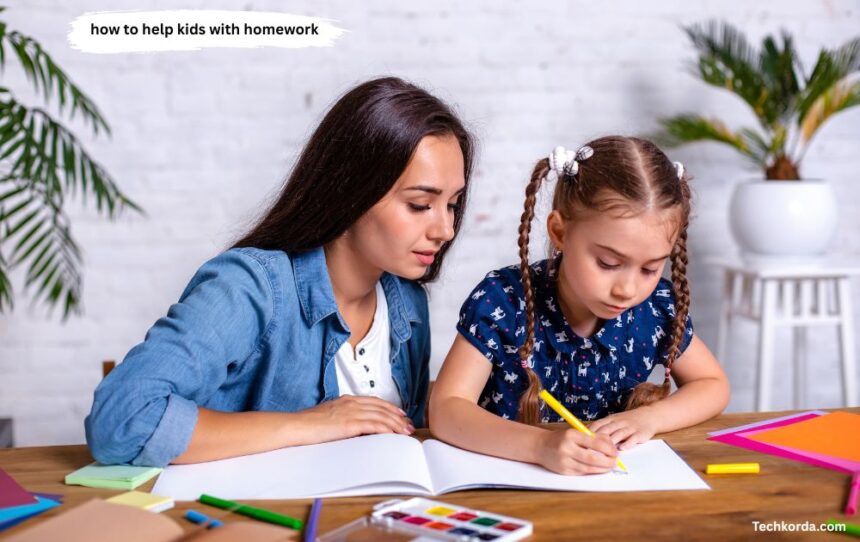
Understanding Why Homework Feels Hard
For a child, homework often arrives at the end of a long day already spent concentrating, sitting still, and following instructions so by the time books come out at home their mental reserves are already low. What looks like laziness or resistance is frequently plain fatigue or the quiet fear of not understanding something in front of a parent who seems to know it so easily. Recognizing this hidden weariness changes the entire tone of the evening, because a tired child needs patience before they need instruction. When we approach the homework hour expecting some friction, we are far less likely to take that friction personally.
Setting the Tone Before You Begin
The mood in the room before a single pencil is picked up often decides how the whole session will go more than any strategy applied once the work has started. A rushed let’s get this over with attitude tends to produce exactly the resistance parents hope to avoid while a calm unhurried opening invites a child to settle rather than brace. Simple words like let’s see what we’ve got tonight carry a very different energy than we need to finish this now. Children are remarkably sensitive to tone, and they will often mirror whatever emotional temperature we bring to the table.
Creating a Calm and Consistent Space
A cluttered, noisy, or constantly shifting workspace asks a child’s brain to do two jobs at once: filter out distraction and complete the actual task, which is simply too much for young minds still learning to focus. A dedicated spot, even a small corner of the kitchen table cleared of everything but the essentials, sends a quiet signal that this is now homework time. Consistency matters more than perfection here the same chair the same lighting the same small set of supplies within reach removes tiny decisions that otherwise drain a child’s limited attention before the real work even begins.
Choosing the Right Time of Day
There is no universally correct hour for homework only the hour that suits a particular child’s rhythm and discovering it takes some honest observation rather than guesswork. Some children do best diving in right after school while lessons are still fresh in mind, while others need thirty minutes of running around or quiet downtime before their brains can shift back into focus mode. Forcing a tired or wound up child to sit immediately often backfires turning a short task into a long standoff. Paying attention to when your child is naturally most alert is one of the simplest ways to reduce nightly struggle.
Starting With a Simple Checklist
An overwhelming pile of assignments can make even a capable child freeze before starting anything at all, simply because the scope feels too large to grasp. Breaking the evening into a short visible list written out or checked off one by one, transforms a vague mountain of homework into a series of small, achievable steps. Watching items get crossed off gives children a genuine sense of progress and momentum which matters enormously to a young mind that thrives on visible accomplishment. This small structural habit often does more to reduce dread than any amount of encouragement alone.
Letting Them Lead the Process
Resist the urge to jump in and explain right away let your child take the first attempt on their own, even if it’s wrong. That small pause builds real confidence and shows you exactly where they need help.
- Wait before offering the answer or the method
- Let a wrong attempt happen then talk through it together
- Ask what they’ve tried before stepping in
- Step in only after a genuine first try
Asking Questions Instead of Giving Answers
When your child gets stuck ask a question that nudges their thinking forward instead of handing over the answer. It takes more patience but it builds a habit of thinking things through on their own.
- What do you already know about this?
- What happened in the last step?
- What have you tried so far?
- Pause before offering any hint
The Power of Comfortable Silence
Many parents rush to fill any pause after asking a question, worried that silence signals failure or wasted time but that instinct often robs a child of the very thinking space they need. A few quiet seconds while a child stares at a problem is not wasted time it is often the moment real thinking is happening beneath the surface. Learning to sit comfortably in that silence, resisting the urge to jump in with hints communicates real trust in a child’s ability to work things out. That trust quietly repeated night after night becomes part of how a child sees themselves.
Knowing When to Take a Break
Pushing through frustration rarely produces good learning, no matter how close to finished an assignment might be, because a flooded, upset mind simply cannot absorb new information effectively. Noticing early signs of overwhelm, a raised voice, watery eyes, or a suddenly blank stare, and offering a short pause before things escalate protects both the evening and the relationship. A five-minute walk, a glass of water, or simply a change of scenery is often enough to reset a stuck moment into a workable one. Returning afterward with a fresh start tends to be far more productive than forcing continuation.
Turning Mistakes Into Learning Moments
The instinct to correct an error the moment it appears is understandable, but pausing before correcting gives a child the chance to notice it themselves, which builds a much stronger kind of learning. Saying something like let’s check that step together invites collaboration rather than judgment and it keeps a child curious about their own thinking instead of anxious about being wrong. Mistakes handled gently become simply part of the process rather than something to hide or fear. Over time children who are allowed to make and examine their own errors grow far more comfortable taking risks in their learning.
Praising Effort Over Outcome
A quick good job after a correct answer feels natural, but praise aimed specifically at effort tends to shape a child’s mindset far more powerfully than praise aimed at results alone. Noticing aloud that they tried a new approach stuck with a tricky paragraph or double checked their own work teaches children to value the process itself not just getting it right. This distinction matters especially as work grows harder in later grades when natural ability alone stops being enough and persistence becomes the deciding factor. Children praised for effort tend to keep trying long after those praised only for being smart give up.
Avoiding the Trap of Doing It For Them
Watching a child struggle is genuinely uncomfortable, and taking over an assignment often feels like the kind thing to do in the moment even though it quietly undermines the point of the work. A parent who finishes a sentence solves an equation or rewrites an answer to make it better sends the message that their version matters more than the child’s honest attempt. Resisting this urge even when the temptation is strong late in the evening protects a child’s ownership of their own learning. Support looks like staying close through the difficulty not stepping in to remove it entirely.
Recognizing Different Learning Styles
Not every child absorbs information the same way and homework help that ignores this mismatch often creates unnecessary struggle for both parent and child. Some children need to see a concept written out others need to hear it explained aloud, and still others need to move their hands use objects, or act it out before it truly clicks. Paying attention to which approach seems to unlock understanding for your particular child rather than repeating the same explanation more loudly saves everyone frustration. A little flexibility in method often solves what looks like a much bigger problem with the material itself.
Handling Frustration and Tears With Patience
When tears or anger surface during homework the content of the assignment usually stops being the real issue, and the child’s emotional state becomes what actually needs attention first. Rushing to solve the math problem while a child is crying misses the more urgent need underneath: to feel heard and calmed before anything productive can happen. A simple acknowledgment this is really frustrating right now often does more to settle a child than any explanation of the material itself. Once the emotional wave passes the actual homework tends to become far more manageable for everyone involved.
Building Independence Slowly Over Time
The ultimate goal of homework help is to eventually need less of it, which means gradually stepping back as a child shows readiness rather than staying involved at the same level for years. This might mean sitting nearby instead of directly beside them, checking in every twenty minutes instead of every five or letting them attempt an entire section alone before reviewing it together. Independence does not arrive all at once, and setbacks along the way are a normal part of that gradual process not signs of failure. Trusting a child with a little more responsibility bit by bit is itself a form of teaching.
Communicating With Teachers When Needed
Some nights, no amount of patience or clever questioning changes the fact that a concept simply has not been taught in a way your child understood and that is not a failure on anyone’s part. In those moments a short note to the teacher explaining exactly where confusion set in is far more useful than struggling alone to reteach an unfamiliar method incorrectly. Teachers generally welcome this kind of honest feedback since it helps them see gaps they might otherwise miss in a full classroom. Treating teachers as partners rather than a last resort keeps everyone working toward the same goal.
Balancing Homework With Rest and Play
Homework matters, but it is only one part of a child’s day and treating it as the single most important priority can quietly crowd out the rest, movement and unstructured play children genuinely need to develop well. A reasonable stopping point even on an unfinished assignment, protects a child’s evening from becoming entirely consumed by schoolwork, and it teaches a healthy relationship with effort rather than exhaustion. Most teachers would rather see a rested child who tried in good faith than a burned-out one who finished at the cost of sleep. Balance more than completion tends to serve children better in the long run.
Using Everyday Life as a Teaching Tool
Learning does not only happen at the kitchen table with a worksheet in front of a child it also happens while measuring ingredients for dinner counting change at a store, or discussing a book read together at bedtime. Weaving academic skills into ordinary daily moments reduces the pressure that concentrated homework time can carry and it shows children that what they are learning connects to real life rather than existing only inside school. These small low stakes moments of practice often stick more naturally than formal drilling ever could. Over time they quietly reinforce classroom lessons without a child even realizing they are practicing.
Staying Calm When You Don’t Know the Answer
Not every parent remembers long division the way it is taught today, or recalls the exact rules of grammar being tested in a worksheet and pretending otherwise usually only adds stress to an already difficult moment. Saying honestly I’m not sure let’s figure this out together models something valuable that not knowing is simply a starting point not something shameful to hide. Children who watch a parent stay calm and curious in the face of their own uncertainty learn to treat their own confusion the same way. This kind of modeling often teaches more than getting every answer correct ever could.
Celebrating Small Wins Along the Way
It is easy to notice only the big milestones, a finished project or a good test grade, while overlooking the smaller victories that happen along the way, like sitting down without complaint or finishing a hard page independently. Naming these small wins out loud, briefly and specifically, helps a child recognize their own growth in real time rather than waiting for a report card to feel proud. This habit of noticing progress, however incremental, keeps motivation alive on the harder nights when big achievements feel far away. Small, consistent recognition tends to build confidence more reliably than occasional large praise ever does.
Making Homework a Shared Ritual, Not a Battle
When homework becomes something done together rather than something enforced from one side, the entire tone of the household shifts, even if the actual work still belongs to the child alone. Sitting nearby with your own reading or task, checking in warmly rather than hovering anxiously, turns the homework hour into shared quiet time instead of a nightly confrontation. This shift does not happen overnight, and some evenings will still be harder than others regardless of the approach taken. But over weeks and months, a gentler shared ritual tends to replace what once felt like a recurring battle.
Conclusion
Years from now, a child is unlikely to remember the exact content of any single homework assignment, but they will likely remember how it felt to sit beside a patient adult who believed they could figure things out. That quiet, repeated experience of support without pressure becomes part of how a child learns to face difficulty long after school itself has ended. The nightly homework hour imperfect as it often is offers one of the most ordinary and powerful chances to build that lasting sense of confidence. In the end, the goal was never really about finishing the page but about who a child becomes in the process of trying.