A Small Picture With a Big Purpose
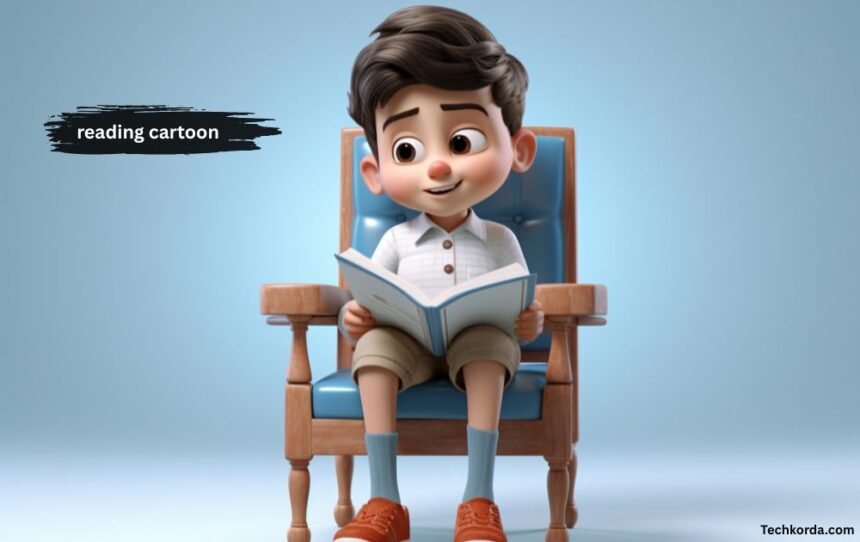
There is a small, gentle image most of us remember from childhood without ever really noticing it: a cartoon of a child curled up with a book, eyes wide, legs tucked beneath a blanket. This picture, so ordinary that it rarely draws a second glance, has quietly shaped how generations of children first imagined what reading could feel like. It is often their earliest invitation into the world of books, offered not through instruction but through a simple, welcoming drawing.
The First Meeting With Books
Long before a child learns to sound out letters or follow a full sentence, they encounter the reading cartoon on the cover of a storybook or the corner of a classroom poster. That early exposure matters more than it seems, because it forms an emotional impression before any academic one. A child does not yet know what reading requires, but they already sense, from the picture alone, that it might be enjoyable.
Why Cartoons Speak Before Words Do
Cartoons communicate through feeling before a child ever needs words to understand them. A single image can say what a whole sentence might struggle to explain:
- An expressive face conveys comfort instantly
- A relaxed posture signals ease and safety
- Soft lighting sets a calm, welcoming mood
- Feeling reaches children faster than logic does
The Honesty of a Reading Cartoon
What makes the reading cartoon so enduring is its honesty. It rarely shows a child reading with perfect posture or serious concentration. Instead, it captures curiosity in its rawest form, a character leaning into a page, smiling faintly, sometimes lost in thought. This lack of formality is part of its charm, because it mirrors how reading actually feels rather than how it is supposed to look.
Little Symbols, Big Meaning
Many of these illustrations include small artistic details such as stars, clouds, or tiny floating letters drifting off the page. These are not accidental choices but visual metaphors for imagination taking flight. They tell a young viewer, without a single word, that reading is not confined to the page but spills outward into thought, dreaming, and possibility.
A Gentle Permission Slip
A cartoon character reading a book becomes, in a quiet way, a kind of permission slip for the child looking at it. It suggests that losing oneself in a story is not only allowed but something worth looking forward to. For a child unsure of new experiences, this small reassurance can be surprisingly powerful, easing hesitation before a single page is turned.
The Comfort of Familiar Colors
There is a quiet comfort built into how these cartoons are drawn. The colors are usually warm, the lines soft and rounded rather than sharp, and the settings familiar, a cozy corner, a sunny windowsill, a lap belonging to someone who loves them. This visual softness is intentional, designed to lower a child’s guard before the story even begins.
Easing the Fear of the Unknown
For a child who has not yet learned to read fluently, opening a new book can feel uncertain, even intimidating. Seeing a friendly character enjoying the very same act offers reassurance without instruction. The cartoon becomes a quiet companion, silently saying that this experience is safe, familiar, and worth attempting despite any hesitation.
A Bridge Between Generations
Cartoons about reading also do something subtle for the adults around a child. A parent flipping through a picture book with a small reading cartoon in its margins is reminded, if only briefly, of their own earliest encounters with stories. It becomes a shared emotional touchpoint rather than a solitary lesson, connecting one generation’s memory to another’s beginning.
More Than Decoration
In this way, the reading cartoon carries more weight than its size on the page would suggest. It is a small piece of art doing a patient, quiet job, nudging children toward literacy not through pressure or testing, but through warmth. Its influence is subtle, cumulative, and easy to overlook, yet it shapes attitudes that can last a lifetime.
Cartoons as Emotional Anchors
Psychologically, images children see repeatedly become emotional anchors, shaping how they feel about an activity before they consciously understand why. A reading cartoon, seen dozens of times across books, posters, and worksheets, quietly builds a positive emotional association with books. That association can outlast any single lesson or reading assignment a child later encounters.
The Role of Character Design
Character design shapes how easily a child connects with a reading cartoon, often more than the story around it. A few details make the biggest difference:
- Rounded features that feel soft and approachable
- Expressive eyes that invite emotional connection
- Relaxed, informal body language over stiff posture
- Warm, gentle coloring instead of sharp precision
Reading Cartoons in Classrooms
In classrooms, reading cartoons quietly shape the atmosphere around books, often without teachers even noticing. Their presence shows up in a few familiar places:
- Bulletin boards celebrating reading milestones
- Worksheets paired with friendly illustrated guides
- Reward charts marking books completed
- Posters that make the library feel inviting
The Cartoon as a Mirror
Children often see themselves reflected in these illustrations, imagining that the character on the page could easily be them. This sense of mirroring is powerful, because it allows a child to picture their own future self curled up with a story, building a quiet expectation that reading is simply part of who they are.
From Passive Viewing to Active Imagination
Watching a cartoon character read does something more than entertain; it activates imagination. A child begins to wonder what story the character might be reading, filling in details the illustration leaves open. This small imaginative leap mirrors the very skill reading itself requires, making the cartoon a gentle rehearsal for literacy.
Cartoons That Celebrate Curiosity
The best reading cartoons celebrate curiosity rather than achievement. They rarely depict a child finishing a difficult book or reaching a reading milestone. Instead, they capture the middle of the experience, the wondering, the absorption, the quiet delight of discovery, which is often the truest and most memorable part of reading.
A Visual Language Without Barriers
Because cartoons rely on expression rather than vocabulary, they cross language and literacy barriers effortlessly. A child who cannot yet read a single word can still understand, instantly, that the character in the picture is enjoying a book. This universality is part of why reading cartoons remain effective across cultures and age groups.
The Subtle Power of Repetition
Children encounter these cartoons repeatedly across years of early learning materials, and that repetition matters. Familiar imagery builds comfort over time, so that by the time a child begins reading independently, the association between books and warmth has already been quietly reinforced dozens, if not hundreds, of times.
Reading Cartoons and Emotional Safety
There is also an emotional safety embedded in these images. A cartoon never judges a child’s pace, mistakes, or hesitation. It simply exists, smiling gently from the page, offering encouragement without expectation. This unconditional quality makes it uniquely suited to early learning, where pressure can easily undermine enthusiasm.
Why Simplicity Works Best
The simplicity of the reading cartoon is not a limitation but its greatest strength. A cluttered, overly detailed illustration would compete for attention rather than invite it. By keeping the image simple, the cartoon draws focus toward the feeling it represents, making the emotional message clearer and more memorable.
The Cartoon as an Everyday Companion
Because reading cartoons appear so frequently in daily materials, from cereal boxes with tiny reading mascots to library posters, they become quiet companions in a child’s everyday environment. Their constant, low key presence normalizes reading as something woven into ordinary life rather than something separate or exceptional.
A Gentle Contrast to Pressure
In a world that increasingly measures reading progress through tests, levels, and word counts, the reading cartoon stands as a gentle contrast. It does not ask a child to perform or achieve. It simply invites them to imagine themselves in the same cozy scene, unbothered by evaluation or time.
Cartoons That Grow With the Child
As children grow older, the cartoons they encounter often mature alongside them, shifting from simple picture book illustrations to more detailed comic style depictions of reading. Yet the underlying message rarely changes. Whether simple or intricate, these images continue to frame reading as something personal, comforting, and worth returning to.
The Legacy of a Small Image
Looking back, many adults can recall a specific reading cartoon from childhood, even if they cannot recall the book it accompanied. This lingering memory speaks to the quiet emotional imprint such images leave behind, shaping not just early literacy but a lasting, affectionate relationship with the act of reading itself.
Protecting the Unhurried Feeling
There is something worth protecting in this small, unhurried image amid a world that often rushes children toward measurable progress. The reading cartoon does not ask for performance. It simply offers a picture of stillness, curiosity, and comfort, reminding both children and adults what reading can feel like at its gentlest.
A Quiet Invitation, Not a Lesson
Ultimately, the reading cartoon succeeds not by teaching directly but by inviting gently. It never instructs a child to read; it simply shows someone else doing so, contentedly, and lets curiosity take care of the rest. That quiet invitation may be one of the most effective teaching tools we rarely notice.
Closing Thoughts on a Familiar Friend
Perhaps this is exactly what a first relationship with reading should feel like gentle, familiar, and quietly full of wonder. The reading cartoon, small as it is, carries that feeling forward across generations, one soft illustration at a time, reminding us that a book, and a moment of stillness, is always worth returning to.