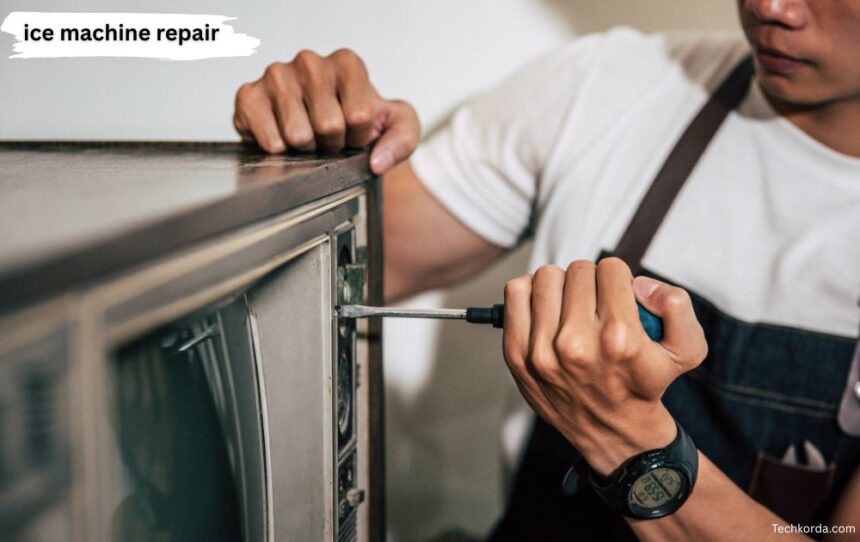
The Quiet Importance of a Working Ice Machine
Some machines only earn our attention once they stop working, and the humble ice maker is a perfect example of this. It hums along in the background of daily life, filling a bin one small piece at a time, until the day it goes silent and suddenly feels essential. Whether tucked inside a home refrigerator or standing as its own unit in a busy kitchen, an ice machine carries more weight in our routines than most people ever stop to notice, which is exactly why a little know how about ice machine repair can prove so useful.
Why Ice Machines Deserve More Attention Than We Give Them
It is easy to overlook a machine that simply does its job without complaint, but that quiet reliability is exactly why so many people are caught off guard when something goes wrong. Ice machines run almost constantly, cycling through freezing, melting, and refreezing water day after day. Over time, this steady workload wears down parts that were never designed to last forever. A little attention early on can prevent a small hiccup from turning into a much bigger inconvenience later.
The First Signs That Something Is Wrong
Trouble with an ice machine rarely arrives without warning; it usually whispers before it shouts. Catching these small shifts early is one of the simplest ways to avoid a costlier repair later on.
- Slower ice production than usual
- Cubes that appear smaller or unevenly shaped
- A faint rattle or unfamiliar sound
- Ice that melts faster than it should
Slow Ice Production and What It Usually Means
When an ice machine begins producing at a noticeably slower pace, it is often trying to tell you something about its internal health. This slowdown can point to a struggling compressor, a restricted water supply, or a buildup of frost in places it should not be. While it might be tempting to simply wait it out, a sudden change in production speed is rarely something that resolves on its own without a closer look.
Strange Noises Coming From the Unit
A healthy ice machine tends to hum along with a familiar, unremarkable rhythm, so any new grinding, buzzing, or clicking sound is worth taking seriously. These noises often trace back to a fan struggling against debris, a motor under strain, or components that have loosened over time. Ignoring an unfamiliar sound rarely makes it disappear; more often, it simply grows louder and more expensive to fix the longer it goes unaddressed.
Ice That Looks or Tastes Different Than Usual
Cloudy cubes, an odd smell, or a faint metallic taste are not just cosmetic annoyances; they are the machine’s way of raising a flag. These changes often point toward mineral buildup, a dirty water filter, or bacteria growth inside parts of the system that rarely see daylight. Because ice comes into direct contact with food and drink, this is one of the signs that deserves prompt attention rather than a wait and see approach.
Water Pooling Around the Machine
Finding an unexpected puddle near an ice maker is unsettling, but it is also a fairly common early warning sign. It can stem from a cracked water line, a failing seal, or a drain that has become blocked with debris over time. Left unresolved, this kind of leak can quietly damage flooring, cabinetry, or nearby electrical components, turning a manageable fix into a far more disruptive one.
Understanding Fridge Ice Machine Repair
For most households, fridge ice machine repair is the first search that comes to mind when the ice maker built into the refrigerator stops behaving normally. These smaller, built in units are convenient precisely because they blend into the background, which also means their problems can go unnoticed until the bin is completely empty. Because they share space and systems with the rest of the refrigerator, even a minor ice maker issue can sometimes hint at a larger cooling problem worth investigating.
Common Causes Behind a Broken Refrigerator Ice Maker
A refrigerator’s ice maker can stop working for reasons that are often more ordinary than people expect. None of these issues are particularly dramatic on their own, but each can bring ice production to a complete halt if left unattended.
- A worn-out water inlet valve
- A faulty ice maker motor
- A thermostat misreading the temperature
- A jammed or stuck ejector arm
Frozen or Blocked Water Lines
One of the more frustrating fridge ice machine repair issues involves the water line that feeds the ice maker freezing solid or becoming blocked. This can happen when the refrigerator’s temperature runs colder than necessary, or when sediment gradually narrows the path water needs to travel. The result is often a machine that seems to be running normally but simply cannot produce any ice at all.
Mineral Buildup From Hard Water
Homes with hard water often see their ice makers struggle sooner than others, as mineral deposits slowly accumulate inside narrow tubes and valves. This buildup can restrict water flow, affect ice shape, and even shorten the lifespan of internal components. Routine cleaning and, in some cases, an added water filter can go a long way toward keeping this particular problem from becoming a recurring one.
When to Try a Simple Fix at Home
Not every hiccup requires a professional visit, and there is real value in knowing which fixes are safe to attempt at home. The key is recognizing the line between simple maintenance and anything involving refrigerant or wiring.
- Clearing a blocked or slow drain
- Replacing an accessible water filter
- Gently defrosting a frozen water line
- Wiping down and sanitizing the interior
When to Search for Ice Machine Repair Near Me Instead
There comes a point where a home remedy simply is not enough, and that is when searching for ice machine repair near me becomes the sensible next step. Bringing in someone local means faster response times, familiarity with common regional water conditions, and often a more personal level of service. Rather than risking further damage through trial and error, a nearby professional can usually diagnose the issue in a single visit.
The World of Commercial Ice Machine Repair
Stepping outside the home kitchen, commercial ice machine repair exists on an entirely different scale, both in complexity and in urgency. Restaurants, hotels, hospitals, and cafés rely on a steady, uninterrupted supply of ice to keep daily operations running smoothly. When a commercial unit fails, the ripple effect can touch everything from customer service to health and safety compliance almost immediately.
Why Commercial Units Face Bigger Stakes
A commercial ice machine is built to produce far greater volumes than any home unit, which means its internal systems are correspondingly more intricate. This added complexity brings a wider range of things that can go wrong, from advanced control boards to larger compressors working under near constant demand. Because downtime in a commercial setting often has real financial consequences, these repairs tend to carry a heightened sense of urgency.
Compressor Trouble in Larger Machines
The compressor sits at the heart of any ice machine, and in commercial units, it works especially hard to keep pace with high demand. Signs of compressor trouble often include unusually warm ice, a machine that runs constantly without producing much, or a noticeable rise in energy use. Because compressors are both expensive and technically demanding to service, this is rarely a job suited for anyone without proper training.
Condenser Coils and Airflow Problems
Condenser coils play a quiet but essential role in helping an ice machine release heat efficiently, and when they become coated in dust or grime, the entire system has to work harder than it should. Poor airflow around a unit, often caused by tight installation spaces, only makes this problem worse. Regular coil cleaning is one of the simplest ways to protect a commercial machine from premature strain and breakdown.
Water Filtration Issues in Commercial Settings
Because commercial machines process such large volumes of water, filtration issues tend to surface more quickly and more visibly than they might at home. A neglected filter can lead to cloudy ice, unpleasant odors, or mineral scaling that gradually damages internal components. Establishing a consistent filter replacement schedule is one of the most cost effective ways a business can protect its equipment over time.
Electrical and Control Board Malfunctions
Modern ice machines, particularly commercial ones, often rely on electronic control boards to manage timing, temperature, and cycling. When these boards malfunction, the symptoms can be confusing, ranging from erratic ice production to a machine that refuses to start at all. Diagnosing electrical issues like these requires both technical knowledge and the right tools, making it one of the clearer cases where professional help is genuinely necessary.
The Value of a Skilled Ice Machine Repair Technician
Behind every properly functioning ice machine, there is usually a skilled ice machine repair technician who understands its inner workings far better than the average owner ever could. These professionals bring not just tools, but pattern recognition built from years of encountering similar problems across many different machines. Their experience often means the difference between a quick, accurate fix and a frustrating cycle of guesswork.
What a Good Technician Actually Does
A truly good technician does more than replace a broken part and move on to the next job. They take the time to trace a problem back to its root cause, checking related systems like water pressure, ventilation, and electrical connections along the way. This thoroughness helps prevent the same issue from quietly resurfacing just a few weeks after the initial repair was completed.
Questions Worth Asking Before Hiring Help
Before welcoming a technician into a home or business, it is worth asking a few simple questions to set expectations clearly. Inquiring about experience with the specific brand or model, average repair timelines, and warranty coverage can save confusion later on. A technician who answers these questions patiently and clearly is often a good early sign of the quality of service to expect.
The Role of Regular Maintenance
Much like a car or a home heating system, an ice machine benefits enormously from routine maintenance rather than being left alone until something breaks. Scheduled check-ups can catch small issues, like a slightly worn seal or a partially clogged line, long before they escalate into major repairs. This kind of proactive care tends to be far gentler on both the machine and the wallet over time.
Cleaning Schedules That Actually Matter
A consistent cleaning schedule is one of the most underrated forms of ice machine care available to owners. Wiping down exterior surfaces, clearing debris from vents, and periodically sanitizing the interior components all contribute to smoother, more reliable operation. Businesses in particular tend to benefit from a written cleaning calendar, since it removes the guesswork and ensures nothing important gets forgotten.
Filter Replacement and Why It’s Easy to Forget
Water filters are easy to overlook simply because they work quietly and are rarely seen once installed. Yet a filter that has outlived its usefulness can quietly compromise ice quality and put unnecessary strain on the rest of the system. Setting a simple reminder for filter replacement, whether at home or in a commercial setting, is a small habit that pays off considerably over time.
Deciding Between Repair and Replacement
At some point, every ice machine owner faces the question of whether it makes more sense to repair the unit or replace it entirely. Factors like the machine’s age, the cost of the needed repair, and how frequently problems have occurred all play a role in that decision. As a general guideline, if repair costs begin approaching half the price of a new unit, replacement often becomes the more sensible path forward.
Seasonal Changes and Their Effect on Ice Machines
Ice machines often work harder during warmer months, when demand for ice naturally increases and ambient temperatures make cooling less efficient. This seasonal strain can expose weaknesses that were barely noticeable during cooler periods of lighter use. Scheduling a maintenance check before the busy season begins is a thoughtful way to head off breakdowns before they have a chance to happen.
Final Thoughts: A Small Machine With a Big Role
An ice machine may seem like a modest piece of equipment, but its steady, unnoticed reliability plays a genuinely meaningful role in daily life, at home and in business alike. Treating it with a little patience, regular care, and timely professional attention when needed helps ensure it keeps quietly doing its job for years to come. In the end, a well-maintained ice machine is one small worry lifted from an already busy day.