What Interactive Learning Really Means
Interactive learning is the gentle art of understanding something by touching it moving it or shaping it with our own hands rather than simply hearing about it from a distance. It asks a learner to press drag or adjust and then notice what changes in response. This small loop of action and reaction turns an idea into an experience and that felt understanding often becomes the quiet root from which real learning grows.
Why This Approach Feels Different
Traditional lessons often ask us to absorb information quietly trusting it will settle into memory on its own. Interactive learning asks something warmer of us to participate to test to be a little curious along the way. Because we are involved rather than merely present, these moments tend to stay with us longer. There is a softness to this approach a sense of invitation rather than instruction, and that invitation makes all the difference.
The Rise of Hands On Learning Spaces
Over the past few decades museums science centers and community learning hubs have quietly shifted away from glass cases and toward open, touchable exhibits. This shift reflects something educators have long suspected that curiosity grows fastest when it is allowed to reach out and explore rather than stand back and observe. These spaces are designed with patience offering room to wander and discover on one’s own timeline.
Stepping Inside an Interactive Learning Pavilion
Walk into a well designed interactive learning pavilion and the atmosphere feels different from a typical classroom. Levers wait to be pulled water waits to be redirected shadows wait to be cast across a wall and gentle puzzles wait to be rearranged by curious hands. Nothing demands to be understood right away. The pavilion simply offers possibility trusting that meaning will arrive naturally after enough quiet exploring.
Touch Motion and Discovery
There is something deeply satisfying about learning through motion rather than stillness. A pavilion invites visitors to feel weight shift watch color blend or hear sound change pitch as they adjust something with their own hands. These small physical discoveries often teach more efficiently than a page of text ever could because the body remembers what it has done long after the mind forgets what it read.
Learning Without the Pressure of Being Right
One of the gentlest gifts a pavilion offers is freedom from the fear of failure. There are no grades here no raised hands waiting to be called upon no single right answer hovering over every exhibit. A visitor can turn a dial the wrong way, watch nothing happen, and simply try again without embarrassment. This freedom to experiment without judgment often opens the door to real confidence.
Families Learning Side by Side
Parents, grandparents, and children often move through these pavilions together, each drawn toward a different exhibit, yet all equally absorbed. A grandparent might linger by a pulley system while a child rushes toward a bubble wall and neither feels out of place. There is something quietly moving about watching generations discover side by side each learning at their own pace within the same warm unhurried space.
A Different Kind of Classroom
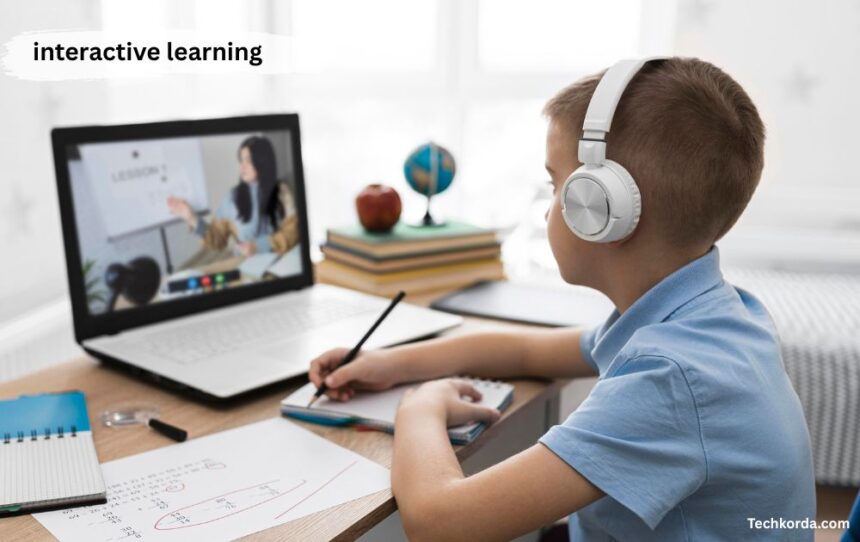
While pavilions offer a physical home for interactive learning, the same spirit has quietly found its way into screens and devices. A classroom no longer needs four walls or a chalkboard to feel alive with discovery. Wherever a learner can act and immediately see a response, whether through a lever or a slider on a screen, that same gentle loop of curiosity continues to unfold in new spaces.
The Trouble With Traditional Geometry Lessons
Analytic geometry has long asked students to imagine motion while staring at something perfectly still on a page. A parabola is described in words, a slope calculated by hand, and a student is expected to picture curves shifting in their mind without ever truly seeing them move. For many learners, this gap between static numbers and dynamic shapes becomes exactly where confidence quietly slips away.
Seeing Math Instead of Imagining It
Interactive digital tools close that gap by letting equations move exactly as they are meant to. When a variable shifts and a line visibly tilts in response, a student no longer has to trust an abstract rule; they can watch it prove itself. This shift from imagining to seeing turns geometry from a subject to be memorized into a small experiment that reveals its own logic through motion.
Best Interactive Online Tools for Learning Analytic Geometry
Among the most helpful resources today are the best interactive online tools for learning analytic geometry, which let students manipulate equations and instantly watch their graphs respond. Platforms built around dynamic coordinate planes allow a learner to drag a point and see a line adjust, or change a coefficient and watch a curve widen in real time. These tools transform a once feared subject into a hands on conversation.
Dynamic Graphing That Responds in Real Time
Graphing tools such as GeoGebra and Desmos let a learner build a graph gradually, watching it shift the instant a number changes.
- A slope adjusts visibly the moment its value is edited
- Curves widen or narrow as coefficients shift
- Points can be dragged to reshape a line or curve directly
Interactive Practice That Builds Instinct
Beyond graphing, many platforms offer interactive practice problems that respond the moment a student submits an answer, offering gentle correction rather than a distant grade returned days later. This instant feedback helps a learner adjust their thinking while the concept is still fresh. Over time, this steady rhythm of trying and adjusting builds a quiet, reliable instinct for geometry that memorization alone rarely produces.
Learning Geometry at Your Own Pace
One of the softest advantages of online interactive tools is the absence of a ticking classroom clock. A student can pause on a difficult concept for as long as needed, replaying a graph’s movement until the pattern settles into place. There is no pressure to keep up with a room full of classmates, and this unhurried pace often allows understanding to arrive exactly when a learner is ready.
Confidence Built Through Repetition
Each time a student adjusts a variable and watches the resulting graph behave exactly as expected, a small seed of confidence is planted. Repetition, especially the gentle, self-directed kind offered by interactive tools, slowly replaces uncertainty with familiarity. What once felt like an intimidating wall of symbols gradually becomes a set of patterns the student recognizes instinctively, having watched them unfold on screen many times.
Interactive Learning for the Very Youngest
Long before geometry enters a child’s world, interactivity begins in far simpler, more playful forms. Toddlers learn primarily through repetition, sound, and delight, discovering the world one small action at a time. A toy that lights up, sings, or moves in response to a gentle press offers an early, joyful introduction to the same principle that later powers pavilions and online tools alike.
Meeting the VTech Learn and Dance Interactive Zoo
The VTech Learn and Dance Interactive Zoo captures this early spirit beautifully, offering toddlers a colorful cast of animal friends who light up and sway to cheerful music. A small hand presses a button, and a friendly animal comes alive, encouraging the child to reach out again. Wrapped inside this playful dancing are early lessons about letters, numbers, and rhythm, delivered entirely as play.
Music and Color as Early Teachers
Music and color are not simply decoration in a toy like this; they are quiet, powerful teachers in their own right. A toddler may not consciously register that a number is being introduced, but the rhythm and brightness surrounding it make the moment memorable enough to return to. Over time, these small joyful repetitions build familiarity with concepts long before a child could explain what they mean.
Small Hands Discovering Cause and Effect
At its heart, a toy like this is teaching something far more fundamental than letters or numbers: it is teaching cause and effect. A toddler presses a button, and something delightful happens in return. This simple, repeated experience quietly builds an early understanding that actions matter, that reaching out into the world brings a response. It is one of the very first lessons interactive learning ever offers.
Building Trust Through Playful Repetition
Each time a toddler presses the same button and receives the same joyful response, a small sense of trust is being built, trust that the world is predictable and safe to explore. This trust, nurtured through dancing zoo animals and cheerful songs, becomes the same quiet confidence a teenager later leans on while adjusting a graph online, or an adult relies on while exploring a pavilion years afterward.
What Every Stage Has in Common
Whether it is a towering pavilion, a dynamic geometry tool, or a small dancing toy, each experience is built on the same gentle foundation: action leads to response, and response leads to understanding. Age changes the form this takes, but never the underlying truth. A toddler pressing a button and a student adjusting a coordinate plane are, in a quiet sense, doing the exact same thing.
The Quiet Power of Curiosity
Curiosity rarely announces itself loudly; it tends to arrive as a small, persistent pull toward something unexplored. Interactive learning honors that pull rather than overriding it with instruction. By offering something to touch or adjust, it lets curiosity lead the way naturally. This quiet respect for a learner’s own pace is often what makes interactive experiences feel less like lessons and more like invitations worth accepting.
Patience as Part of the Process
Good interactive learning never rushes toward a conclusion. A pavilion exhibit does not demand an answer within thirty seconds, and a graphing tool does not penalize a student for lingering on the same equation for an hour. This built-in patience allows understanding to settle in gradually, at whatever pace feels right for the individual learner, rather than forcing insight to arrive on someone else’s schedule.
Why Passive Learning Often Falls Short
Sitting quietly and listening has its place, but it rarely creates the same lasting impression as active participation does. Information received passively tends to fade quickly once the moment has passed while something explored with our own hands tends to linger. This is not a criticism of traditional teaching so much as a reminder that doing in whatever small form often teaches more deeply than being told.
The Emotional Comfort of Interactive Learning
There is an emotional softness to interactive learning that is easy to overlook. Because mistakes carry no real consequence whether in a pavilion, an online tool, or a toddler’s toy learners feel free to explore without fear. This safety encourages a kind of relaxed curiosity that anxious high pressure environments rarely allow. When exploration feels safe, understanding tends to follow far more naturally and willingly.
Supporting Interactive Learning at Home
Parents hoping to nurture this spirit at home need not look far. Simple household objects that respond to touch basic online tools that visualize a concept in real time, or even a favorite musical toy can all offer the same gentle loop of action and response. What matters most is not the sophistication of the tool but the freedom given to a child to explore it comfortably.
Choosing Tools That Fit Each Age
Not every interactive tool suits every learner and that is perfectly natural. A toddler needs bright colors and simple cause and effect while a student working through analytic geometry needs precision and depth. Matching the tool to the learner’s stage ensures interactivity remains meaningful rather than overwhelming, gently guiding each person toward discovery that feels appropriately challenging for exactly where they stand.
Looking Toward the Future of Interactive Learning
As technology continues to grow gentler and more intuitive, interactive learning is likely to become even more woven into everyday life appearing in more classrooms homes and public spaces. Yet the core idea will likely remain unchanged that people understand best when they are allowed to participate not merely observe.The tools may evolve but the quiet wisdom behind them seems unlikely to fade.
A Gentle Closing Thought
From a dancing zoo animal to a shifting graph to a hands-on pavilion exhibit interactive learning keeps returning to the same simple truth that we understand the world more deeply when we are allowed to reach into it ourselves. It does not shout or rush. It simply opens a door and waits, quietly confident that whoever walks through at whatever age will find something worth discovering.