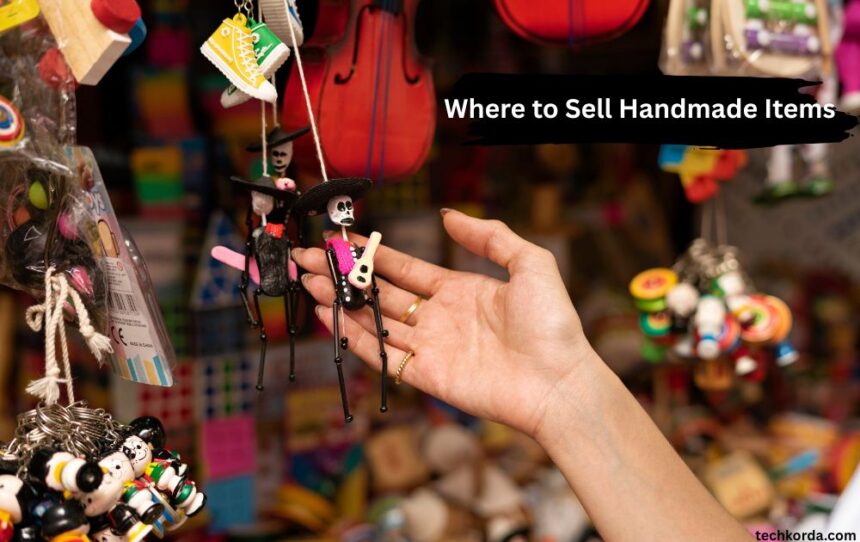
The Quiet Beginning of Every Handmade Journey
There is a soft kind of bravery in making something with your own hands and then choosing to share it with the world. Perhaps you sew quilts on slow weekends, carve small wooden trinkets, or paint pottery late into the night when the house grows quiet. Whatever your craft may be, the question of where to sell it marks the moment your hobby begins to feel like something more meaningful. You do not need a store, a warehouse, or a large budget to start; you only need patience and a place to begin.
Understanding Your Options Before You Begin
Knowing where to sell handmade items starts with understanding that no single path suits every maker, so it helps to know what each route offers before you choose.
- Free options: local groups, apps, bulletin boards
- Local options: markets, fairs, consignment shops
- Online options: Etsy, social media, your own site
Facebook Community Groups
If you are searching for where to sell handmade items without spending a cent, Facebook remains one of the simplest free places to begin, especially through local buy and sell groups built around your town or neighborhood. These spaces ask for nothing more than a clear photo, an honest description, and a fair price, making them welcoming for first time sellers. Many groups are filled with neighbors who genuinely enjoy supporting local creators over mass produced alternatives. Posting here costs nothing but a few quiet minutes, yet it often leads to your very first sale and your very first taste of encouragement.
Neighborhood Selling Apps
Beyond Facebook, apps built specifically for local selling offer another gentle, free starting point for handmade creators. These platforms connect you directly with buyers who live nearby, which often means faster conversations and easier pickup arrangements. Because listings are free, you can experiment freely with different items, prices, and photographs without any financial risk. Many makers find that these apps become a quiet training ground where they learn what truly appeals to buyers before ever expanding further.
Community Bulletin Boards
Sometimes the simplest tools are the ones we overlook, and a bulletin board at your local library, coffee shop, or community center is exactly that kind of tool. A small handmade flyer with your contact details and a photograph of your work can travel further than expected in a tight-knit neighborhood. These boards cost nothing to use and often reach people who prefer supporting local makers they can actually meet. It is a gentle, old fashioned way of saying, quite simply, that you are here and ready to share your craft.
Farmers Markets
There is something deeply satisfying about setting up a small table at a farmers market and watching people slow down to admire what you have made. These markets draw crowds who are already inclined to value handmade, local goods over anything mass produced. A simple table, a handwritten sign, and a warm smile are often all you need to begin. Selling here also gives you immediate, honest feedback, letting you hear directly what people love about your work.
Craft Fairs and Artisan Shows
Craft fairs and artisan shows gather makers and buyers together in a shared celebration of handmade creativity, making them wonderful places to grow your confidence. These events often require a small booth fee, but the exposure and connections gained can be well worth the investment. Buyers who attend these fairs are specifically seeking something unique, something with a story behind it. Standing behind your own table, explaining your process to curious visitors, can be one of the most rewarding parts of this entire journey.
Consignment Shops and Boutiques
Local consignment shops and small boutiques offer a gentler alternative for makers who prefer not to sell in person themselves. These shops display your work on your behalf, taking a small percentage only once an item actually sells. This arrangement allows your craft to reach customers throughout the week without requiring your constant presence. Building a relationship with a shop owner who genuinely appreciates your work can also open doors to future opportunities and referrals.
Church Bazaars and Community Centers
Seasonal bazaars hosted by churches, mosques, temples, and community centers remain some of the warmest places to sell handmade goods. These events often draw families and neighbors looking specifically for thoughtful, meaningful gifts rather than mass produced items. Because these spaces are rooted in community rather than commerce, the atmosphere tends to feel supportive rather than competitive. Many makers find lifelong customers, and sometimes even friendships, through these small, heartfelt gatherings.
Pop-Up Shops and Seasonal Markets
Pop up shops and seasonal markets, often appearing around holidays, offer a temporary yet powerful way to reach concentrated crowds of eager shoppers. These events are usually organized by local businesses or organizers seeking a variety of handmade vendors to fill their space. Participating allows you to test new products, gather feedback, and build visibility within a short, focused window of time. The energy of these events often inspires makers to return season after season.
Etsy
Etsy remains one of the most trusted online marketplaces built specifically for handmade and vintage goods, making it a natural home for many makers. The platform already attracts millions of buyers actively searching for something crafted with care rather than mass produced convenience. Setting up a shop requires only a small listing fee, a handful of clear photographs, and an honest, heartfelt description. For many creators, Etsy becomes the first place their handmade business truly begins to feel real.
Instagram allows your handmade items to be discovered through beautiful, story driven photography rather than a traditional storefront alone. Sharing your process, your workspace, and the quiet moments behind each creation helps buyers feel genuinely connected to your craft. Many makers use Instagram not only to sell directly through posts, but also to build an audience that eventually follows them to other platforms. Consistency here matters more than perfection, as authenticity tends to resonate deeply with online audiences.
Pinterest functions less like a marketplace and more like a visual invitation, drawing people toward your handmade items through inspiration boards and searches. Because pins can continue circulating for months or even years, this platform offers a quieter, longer lasting form of visibility compared to other social media. Linking your pins directly to your shop allows curious browsers to become paying customers with just a single click. For visually driven crafts especially, Pinterest often becomes a steady, gentle source of new buyers.
Facebook Marketplace
Facebook Marketplace bridges the gap between local and online selling, allowing you to reach nearby buyers without the formality of a dedicated shop. Listings are simple to create, free to post, and easily shared across other Facebook groups for wider visibility. This platform works especially well for larger or heavier handmade items where local pickup feels more practical than shipping. Many makers appreciate how quickly conversations here can turn into real, in person sales.
Building Your Own Website
Creating your own website gives you complete control over how your handmade story is told, priced, and presented to the world. While this path requires more effort upfront, it removes marketplace fees and allows your brand to grow entirely on your own terms. A simple website with clear photographs, a warm about page, and easy checkout can feel like a true home for your craft. Many established makers eventually move toward this option as their handmade business matures.
Amazon Handmade
Amazon Handmade offers access to one of the largest customer bases in the world, specifically reserved for genuine artisans and craftspeople. The application process is more selective than other platforms, requiring proof that your items are truly handcrafted rather than manufactured. Once accepted, sellers benefit from Amazon’s trusted reputation and built in shipping infrastructure. For makers ready to scale their handmade business, this platform can offer remarkable, steady exposure.
eBay
eBay remains a reliable, longstanding option for selling handmade items, particularly for makers who also enjoy the excitement of an auction style format. This platform attracts a wide and varied audience, from collectors to everyday shoppers searching for something unique. Listing fees are generally low, and the familiarity of the platform makes it approachable for newer sellers. Many makers use eBay alongside other platforms as one part of a broader, diversified selling strategy.
Pricing Your Work Fairly
Pricing handmade items fairly means honoring both your materials and your time, not just guessing a number.
- Add up material costs
- Include your working hours
- Research similar handmade prices
- Avoid underselling your effort
Taking Photographs That Tell a Story
Clear, warm photographs taken in natural light can transform a simple handmade item into something buyers feel genuinely drawn to purchase. You do not need expensive equipment, only a clean background, gentle lighting, and a few different angles of your work. Showing your item being used or worn often helps buyers imagine it within their own lives. A little care behind the camera can make an enormous difference in how your craft is perceived online.
Writing Descriptions From the Heart
A product description written honestly and gently often connects with buyers far more deeply than one filled with generic sales language. Sharing why you made an item, what materials you used, and how long it took invites buyers into your personal creative journey. This kind of honesty builds trust, especially with customers who are choosing handmade specifically because they crave authenticity. A few thoughtful sentences can turn a simple listing into a meaningful invitation.
Packaging With Care
The moment a customer opens their package is often just as important as the item itself, making thoughtful packaging a quiet extension of your craft. Simple touches, such as tissue paper, a handwritten thank you note, or a small ribbon, can leave a lasting impression without requiring much expense. Many buyers remember and return to sellers who make them feel genuinely appreciated. This small effort often becomes the difference between a one time sale and a loyal, returning customer.
Understanding Shipping
Shipping handmade items thoughtfully protects both your work and your reputation, especially when items are fragile or uniquely shaped. Taking time to research appropriate packaging materials and reliable carriers will save you from costly mistakes down the road. Offering clear shipping timelines also helps set realistic expectations, reducing anxious messages from curious buyers. Though shipping can feel intimidating at first, it becomes far easier with just a little practice and preparation.
Building Relationships With Buyers
Selling handmade items is rarely just about the transaction itself; it is often about the quiet relationships formed along the way. Responding warmly to messages, thanking customers personally, and remembering repeat buyers can turn strangers into loyal supporters of your craft. Many successful handmade businesses grow not through advertising, but through the simple, human warmth shown to every single customer. These relationships often become the true heart of a lasting handmade business.
Creating a Brand That Feels Like You
Your handmade brand does not need to feel corporate or polished to be effective; it simply needs to feel honestly, unmistakably like you. Consistent colors, a simple logo, and a genuine voice across your listings and social media help buyers recognize and remember your work. Over time, this consistency builds trust, turning casual browsers into familiar, returning customers. Letting your true personality shine through your brand is often what makes handmade businesses feel so special.
A Final, Gentle Thought
Wherever you choose to begin, remember that every experienced maker once stood exactly where you are standing now, uncertain yet quietly hopeful. Selling handmade items is not simply a transaction, but an invitation for someone else to welcome a piece of your care into their everyday life. Take your time exploring these paths, trust the process, and allow your craft to find its own way into the world. The right people are already out there, waiting to discover exactly what your hands have made.