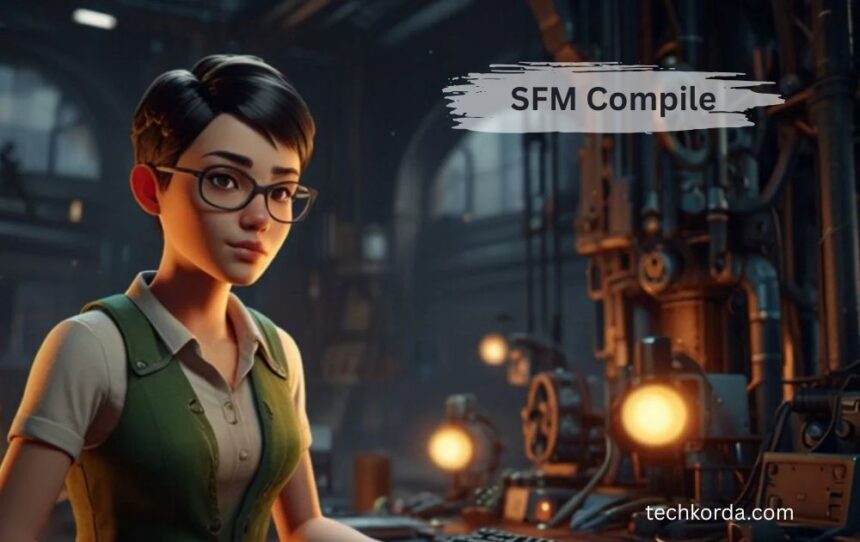
There is a soft kind of magic in watching an sfm compile take shape from nothing more than an empty scene. What begins as a blank digital stage slowly fills with posed characters, careful lighting, and a story that only the creator can see at first. Anyone who has tried building an sfm compile knows the process is far from instant, yet that slowness is part of the appeal. It teaches patience in a way few other hobbies can, rewarding those willing to sit with an idea until it finally feels right.
What Source Filmmaker Really Is
Source Filmmaker, often shortened to SFM, is the free animation tool that makes every sfm compile possible in the first place. It lets creators pose characters, move cameras, and build scenes using assets originally designed for video games. With no film degree or expensive equipment required, anyone with curiosity and a bit of free time can sit down and start experimenting. That accessibility is a large part of why building an sfm compile still appeals to hobbyists today.
Breaking Down the Term SFM Compilation
An sfm compile is essentially a gathering of short animated clips joined together into one continuous video. Rather than telling a single long story, it often highlights a series of smaller moments, jokes, or scenes that share a common theme or character. This format suits the medium well, since many creators prefer working in short bursts rather than committing to a lengthy narrative. The result feels like a scrapbook of creativity, where every sfm compile becomes small on its own but meaningful once placed beside the others.
Why the Spelling Varies Across the Community
Spend enough time browsing forums and you will notice an sfm compile written in more than one way, sometimes typed quickly, other times shortened out of habit. These variations usually come from casual typing or informal tagging rather than any real difference in meaning. Creators rarely worry about consistency when they are excited to share a new sfm compile with friends. If anything, this looseness reflects how casual and unpretentious the hobby tends to be.
The Origins of the Compile Club Spirit
Long before official studios or paid software existed for this kind of animation, small groups of hobbyists began forming informal circles around the shared love of the sfm compile. These were often just a handful of friends who shared tips, critiqued each other’s work, and celebrated small victories together. Over time, these groups grew into larger communities spread across forums and social platforms. What has remained constant is the encouragement that surrounds every new sfm compile someone dares to share.
First Steps for a New Animator
Every experienced creator remembers their first attempt at an sfm compile, usually stiff, awkward, and far from what they imagined in their head. That early stumble is a universal part of the learning curve, and most people who stick with the hobby look back on it fondly rather than with embarrassment. Beginners are encouraged to start small, focusing on a single pose or short movement before attempting anything ambitious. Confidence in making an sfm compile tends to grow quietly, one modest success at a time.
Choosing Characters and Models
Selecting the right model is often the first creative decision behind any sfm compile, shaping the tone before a single pose is made.
- Familiar characters help audiences connect quickly
- Custom or lesser-known models allow more creative freedom
- Style choice affects whether an sfm compile feels playful, dramatic, or calm
Understanding Rigging Basics
Rigging refers to the underlying skeleton that allows a character model to bend, turn, and express emotion convincingly within any sfm compile. For newcomers, this part of the process can feel technical and a little intimidating, filled with unfamiliar terms and fiddly adjustments. Yet understanding even the basics of rigging unlocks a great deal of creative control, allowing subtle details like a tilted head to carry real emotion. Most animators agree that rigging skill for a good sfm compile improves gradually, through repetition rather than instruction alone.
Posing as a Storytelling Tool
A single well-crafted pose within an sfm compile can communicate more than an entire paragraph of dialogue ever could. Skilled animators learn to think about weight, balance, and gesture, using these elements to hint at a character’s mood before any action even begins. This is where the craft starts to feel less like a technical exercise and more like genuine storytelling. Learning to pose thoughtfully often marks the moment a hobbyist begins to see their sfm compile as true animation rather than a simple experiment.
The Importance of Camera Angles
Camera placement shapes how an audience feels about any sfm compile just as much as the action within it. A low angle might suggest power or tension, while a gentle, eye-level shot often feels warm and intimate. Many new creators overlook this detail early on, focusing entirely on character movement instead. With practice, however, most come to see camera work as an essential part of a memorable sfm compile rather than an afterthought.
Building a Believable Environment
Backgrounds and set pieces play a quiet but essential role in grounding any sfm compile within its world. A cluttered room can suggest chaos, while an empty space might hint at loneliness or calm. Choosing and arranging these elements carefully helps a finished sfm compile feel intentional rather than accidental. Even small details, like a slightly tilted picture frame, can add a surprising amount of realism and depth to the final piece.
Lighting and Mood
Lighting is often the unsung hero of any sfm compile, capable of transforming the same pose and background into something entirely different depending on how it is used. Soft, warm lighting might create comfort, while harsh shadows can build unease or drama. Many creators spend considerable time adjusting light sources, sometimes more than they spend on the actual posing. This attention to detail is part of what separates a rushed clip from a truly polished sfm compile.
Sound Design in Short Scenes
Although animation is primarily visual, sound plays a surprisingly large role in how a finished sfm compile is experienced. Background ambience, subtle sound effects, or a well-timed piece of music can elevate a simple clip into something emotionally resonant. Creators who take the time to consider audio often find their sfm compile feels more complete and immersive. Even silence, used deliberately, can become a powerful storytelling choice in its own right.
Editing Clips into a Compilation
Once individual scenes are finished, the real challenge becomes arranging them into a cohesive sfm compile that flows from one moment to the next. This involves deciding on pacing, transitions, and the overall rhythm of the video as a whole. A poorly ordered project can feel disjointed, even if each individual clip inside the sfm compile is well made. Thoughtful editing ties everything together into a single, unified piece of work.
Timing and Pacing
Timing is one of the most difficult skills to master when building an sfm compile, largely because it relies on instinct as much as technical knowledge. A movement that happens too quickly can feel unnatural, while one that lingers too long may lose the viewer’s attention. Many creators study real-life movement or reference footage to better understand natural rhythm. Over time, this sense of timing becomes more intuitive, quietly guiding every future sfm compile they attempt.
Balancing Realism and Style
Every creator eventually faces a choice between striving for realism and embracing a more stylized, exaggerated approach within their sfm compile. Neither option is inherently better, and the right balance often depends on the tone of the project itself. Some scenes call for subtle, lifelike movement, while others benefit from playful exaggeration. Learning to recognize which approach suits a particular sfm compile is a skill that develops with experience and experimentation.
Common Mistakes Beginners Make
New animators tend to repeat the same few slip-ups on their first sfm compile, usually out of impatience rather than lack of skill.
- Rushing posing before the basics feel natural
- Ignoring camera angles in favor of movement alone
- Skipping lighting adjustments until the last minute
- Overcrowding a single scene with too much detail
Learning Through Trial and Error
Very few skilled animators learned to build a strong sfm compile through formal instruction alone. Instead, most progress came from repeated attempts, small failures, and the occasional unexpected success. This trial-and-error approach can feel slow at times, but it also builds a deeper, more personal understanding of the tool. Patience with oneself becomes just as important as patience with the software while shaping each new sfm compile.
Sharing Work Within the Community
There is a particular kind of vulnerability in sharing a finished sfm compile for the first time, especially within a close-knit group of fellow hobbyists. Yet this act of sharing is often what accelerates growth the most, since feedback from others can highlight blind spots a creator might miss alone. Communities built around this hobby tend to be gentle with newcomers, remembering their own nervous first upload. That shared understanding creates a welcoming space for every new sfm compile someone dares to post.
Receiving Feedback Gracefully
Not all feedback is easy to hear, particularly when a creator has invested hours into a single sfm compile. Learning to separate personal identity from creative work is an important step in handling criticism constructively. The most supportive communities frame feedback as encouragement toward improvement rather than judgment of ability. Over time, most creators come to see notes on their sfm compile as a gift rather than a setback.
The Support System of a Compile Club
A well-functioning circle built around the sfm compile often becomes more than a place to share tutorials or techniques. It can evolve into a genuine support system, where members celebrate milestones and offer encouragement during creative slumps. This sense of belonging often matters just as much as the technical skills being exchanged. Many long-term hobbyists credit this kind of compile club with keeping their motivation for each sfm compile alive during difficult stretches.
Collaborative Projects and Team Compilations
Some of the most memorable sfm compile projects come from small teams working together rather than individuals working alone. Collaboration introduces new challenges, such as maintaining a consistent style or coordinating timelines, but it also brings fresh ideas a single creator might never have considered. These joint projects often strengthen community bonds, turning casual acquaintances into genuine creative partners. The shared effort can make the final sfm compile feel even more rewarding to everyone involved.
Overcoming Technical Frustrations
Software crashes, rendering errors, and unexpected glitches are an unavoidable part of working on any sfm compile. These frustrations can test even the most dedicated creator’s patience, especially after hours of careful work. Most experienced animators develop their own coping strategies, such as saving frequently or stepping away before returning with fresh eyes. Over time, these technical hurdles become simply another familiar part of finishing an sfm compile.
The Emotional Payoff of Finishing a Scene
There is a distinct sense of satisfaction that comes from finally completing an sfm compile that once felt impossible to finish. That feeling rarely fades, even for creators who have released dozens of projects over the years. It serves as a quiet reminder of why the hobby remains worthwhile despite its challenges. This emotional payoff from a finished sfm compile often outweighs any external recognition the work might receive.
Staying Motivated Over Long Projects
Longer sfm compile projects can stretch across weeks or even months, making motivation harder to sustain than it might seem at first glance. Many creators combat this by breaking large projects into smaller, more manageable goals. Celebrating these small milestones helps maintain enthusiasm throughout the process. Without this kind of self-encouragement, even passionate hobbyists can find themselves losing momentum partway through an ambitious sfm compile.
Tools and Resources Creators Rely On
Beyond the core software itself, many creators depend on tutorials, community-made assets, and shared reference material to refine each sfm compile they attempt. These resources are often freely offered by generous community members who remember benefiting from similar help early in their own journey. This culture of sharing keeps the hobby accessible to newcomers who might otherwise feel overwhelmed. It also reinforces the collaborative spirit that defines much of the sfm compile space.
The Personal Growth Behind the Hobby
For many, working on an sfm compile becomes about far more than the finished video itself. The process teaches patience, attention to detail, and resilience in the face of repeated failure. These lessons often extend beyond animation, influencing how creators approach other challenges in their lives. What begins as a simple sfm compile can quietly become a meaningful form of personal growth.
Looking Ahead: The Future of the Hobby
As tools continue to evolve and communities grow, the future of the sfm compile seems likely to remain rooted in creativity rather than competition. New creators continue to join, bringing fresh perspectives while still respecting the traditions established by earlier hobbyists. This blend of innovation and continuity keeps the space feeling alive rather than stagnant. Whatever changes come, the spirit behind every sfm compile seems unlikely to disappear.
Final Thoughts
At its heart, the world of the sfm compile is less about technical mastery and more about the quiet joy of bringing imagination to life. Every clip, every carefully adjusted pose, and every shared project reflects a genuine love for storytelling. It is a hobby built on patience, community, and gentle persistence rather than pressure or perfection. For those willing to embrace its slow, thoughtful process, finishing an sfm compile offers a deeply personal kind of creative fulfillment.z